On Wednesdays We Reflect: Week 1 Reflections

Over the past week, I’ve begun filling my son’s room with all the items I’ve boxed and bagged for donations. He’s away at college, and so his room seemed the best place to store them. The common wisdom in decluttering is to get donations out of your house immediately, so they don’t become just differently-located clutter and so you’re not tempted to pull things back out of the bag. I’ve followed this advice before, but for this season I want to see the pile.

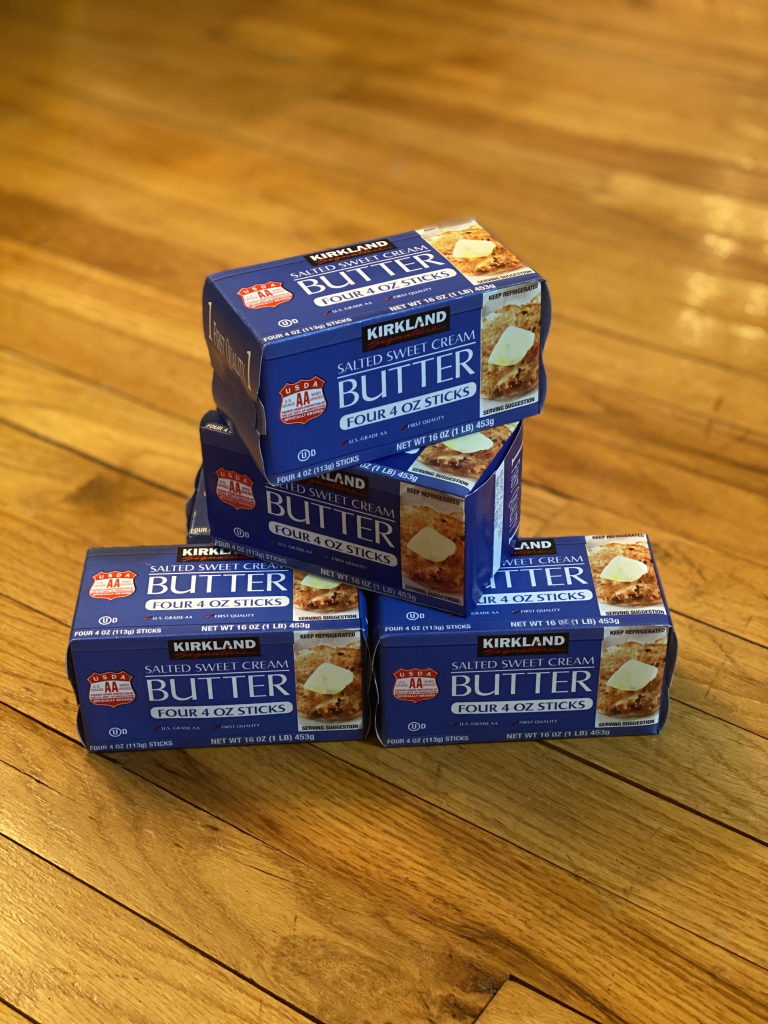
I had a friend many years ago who stuck a pound of butter in the freezer for every pound of weight she lost. This would totally backfire for me, as I would see the pile of butter and immediately begin planning out recipes to use it…but the visual was motivating for her. Any time she was frustrated at having “only” lost a pound between weigh-ins, she would hold a box of butter and think, “last week I was walking around with this on my body. Now I’m not. That’s significant.”

There’s an element of wanting to see that significance in why I’m keeping the donates for now. When I bring a bag to the donation center, it’s gone. I don’t have to think about it anymore. That quick release can be freeing. But it can also be an escape. Once I drop a bag off, I’m released from the stuff, and also from facing how much I accumulate and why I accumulated it. Immediately getting rid of donate bags can be getting rid of the evidence instead of getting rid of the problem.

Because the “stuff” is likely not the problem. Stuff is more often a symptom of a problem, so getting rid of stuff alone is often just managing symptoms.

Uncovering real can’t become symptom management, it needs to look past the symptoms, uncovering the underlying conditions of my heart.  
In order to understand the magnitude of the problem, I want to sit with the magnitude of the tangible stuff. I want to celebrate the pound of victory butter in my fridge, and also acknowledge all the extra pounds I’ve been storing up, and the realities which allowed it all entry into my space.

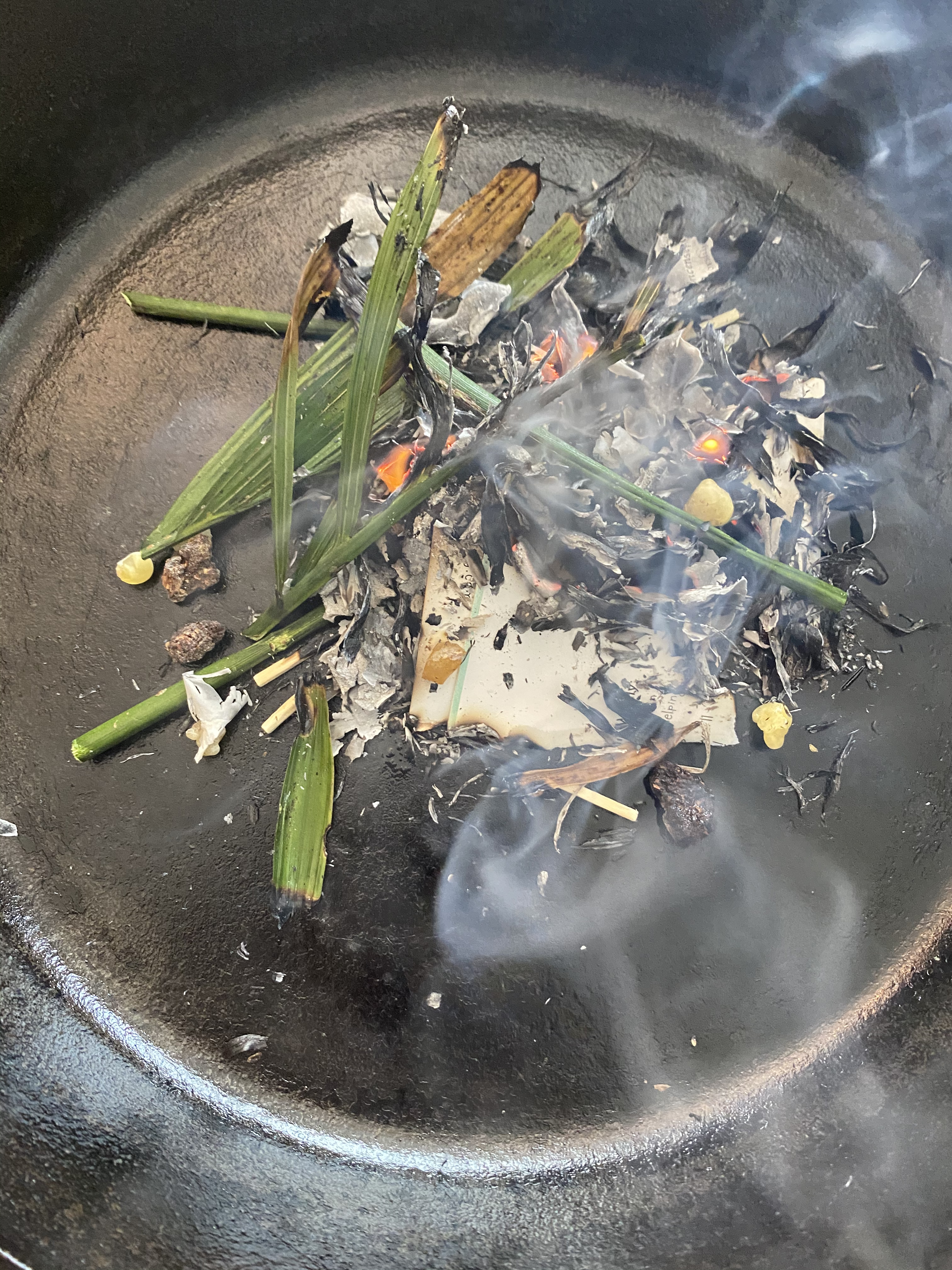
This week I’m sitting with seven bags – the ashes which remain of purses I thought would make my life easier, shoes on too good a sale to resist, and clothes I hoped would make me beautiful and accepted, along with items which were once appropriate and even necessary, but for a life I no longer have. 

I’m letting go of what I don’t need in this season, letting it turn to ash so I can sit in humility, mortality, and intimacy, preparing to receive what’s next.
Ashes to Ashes, Dust to Dust

“Remember that you are dust and to dust you shall return.”

Thousands of years ago in Jerusalem, the crowds were so excited about Jesus’ arrival in town, they welcomed him with the ancient equivalent of rolling out the red carpet for the arrival of a star to a world premiere. Except the red carpet was made up of the coats they threw down (like, from right off their backs) and the branches they ripped off the closest trees (likely palms). They gave up their cloaks and branches and shouts of praise in celebration of the famed prophet and healer arriving in their city. It was loud, it was joy filled, it was intoxicating. And then it was gone. 

In many traditional church observances, the palms used for Palm Sunday celebrations are burned and the ashes sit untouched for nearly a year. Then, on Ash Wednesday, the ashes are mixed with oil and become not something we give, like the coats and branches and shouts of praise, but something we receive. With the imposition of ashes on Ash Wednesday, the bearer takes on humility and mortality, all that’s left of the celebration.

The palm branches were the crowds, the social following. Loud, lavish, brash and sure.

The ashes are the quiet reflection. Intimate, personal and humble.

In an Ash Wednesday service, as the ashes are crossed on the forehead, the imposer often pronounces, “remember, you are dust and to dust you shall return.”

I am from dust.

I am returning to dust.

Secular sciences and Biblical accounts all reference life created out of dust. Dust was the medium used to create all of life. Dust was the medium used to heal. God mixed his breath with dust and formed humans. Jesus mixed his spit with dust and created sight for a blind man.

God enters and the dust is no longer dust.

God enters and the dust becomes the very medium of life and sight. The transformation from dust and to dust is not limited to just our literal birth and death, it is found in every season of our lives. In every season there are cycles of creation, dust, waiting and re-creation.

“Remember, you are dust and to dust you shall return.”

Today I’m trying to just sit and allow myself space to wonder at the constancy of the cycle, and the impermanence of the things. Everything is made from dust and everything turns to dust. There is grace and freedom in knowing both of those are true – that everything we own, everything on earth that we hold on to, will turn to dust. And re-creation comes out of dust.  

And yet here I am, storing up letters from 30 years ago, holding on to clothes from 20 pounds ago, and installing a shelf for a pile of high heels I can barely remember wearing. As though holding on to those things keeps the person I was, or I wanted to be, or I want to be, real. Maybe I need to put down some of those palm branches and coats (literally…do I need a dozen coats?) and instead, sit with the dust. Remembering the palms they once represented, and receiving the ashes. Laying down the loud, lavish and sure, receiving the personal, intimate and humble.

This is what I want. Or at least this is what I want to want.

It’s not about losing. It’s not even about less. It’s about releasing my grip on what I don’t need in this season, allowing it turn to ash so I can sit in humility, mortality and intimacy. Prepared to receive what’s next. 

Ashes to ashes…