
Season Two: How Do We Reengage?

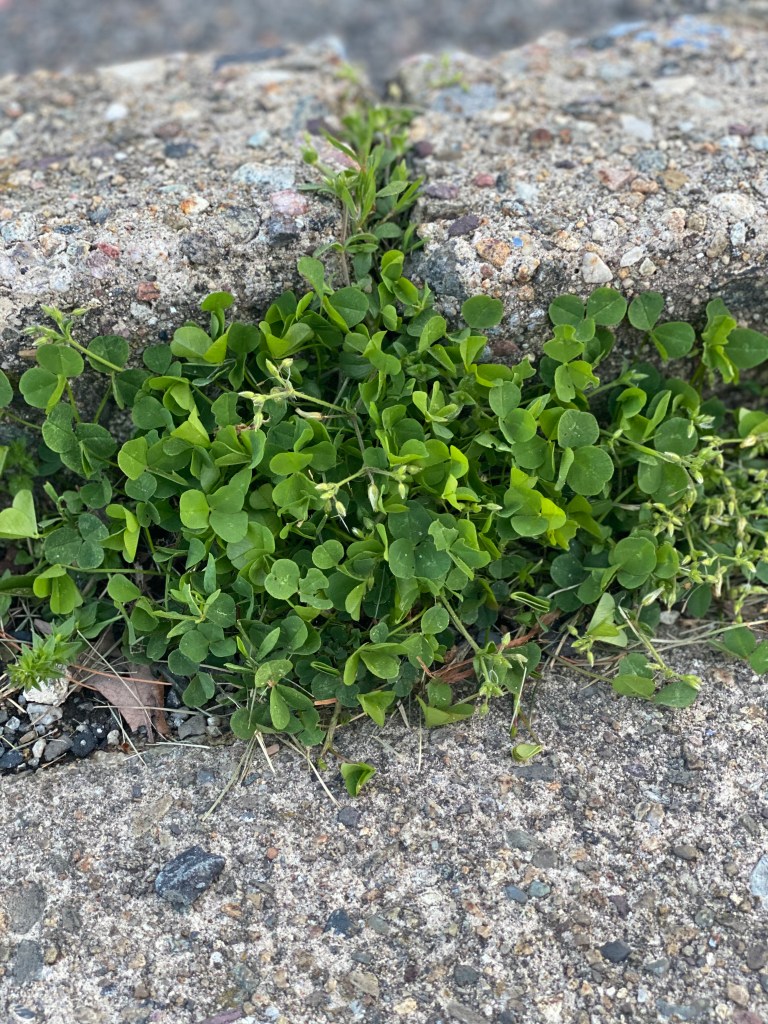
Like little flowers poking through cement, there are signs of life peeking out all around me after what has felt like a very long cold lonely winter, literally and metaphorically.
Vaccinations are increasing, restrictions are lifting, and people are testing out various ways of engaging in social activities. 

There have been a lot of things I’ve relished through this passing season of isolation.

I’ve enjoyed beginning friendships with people around the world I likely never would have engaged with if I was caught up in my in-person life a few years ago.

I’ve loved the variety of online churches, podcasts, and blogs I’ve been able to seek out. 

I’ve loved gathering around the table, sharing a meal with my family during a service or event.

I’ve loved being able to pause videos and discuss questions or look up references, rewinding to get a second listen to something I missed or didn’t understand. 

I LOVE that I can’t remember how long it’s been since I stood awkwardly through an in-person church “Meet and Greet” moment in the middle of a service.

Quarantine has been a really good excuse not to participate in uncomfortable things.
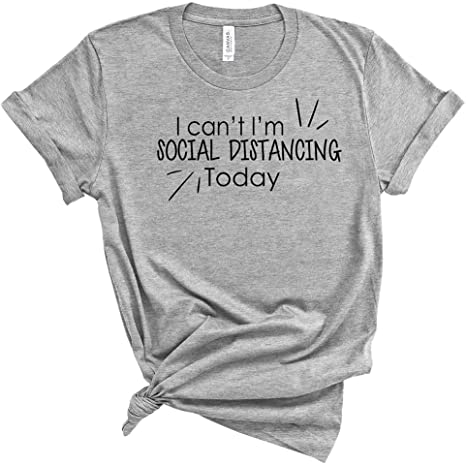
It can be temptingly easy to hide behind a laptop screen, text wall, and quarantined home instead of engaging with people.

I legitimately stand by our decisions about the level of separation we engaged in…..and….It can also turn into an excuse.

But Covid and other physical health issues aren’t the only reason we end up separated and isolated. 

My season of separation began long before Covid was a thing.

Getting divorced in a culture which holds to (largely unwritten) beliefs about divorce being one of the only sins which wasn’t covered on the cross (along with homosexuality, views on hymns vs. choruses and coffee’s place in a sanctuary) will drastically limit your involvement in many circles.

So will questioning the practices and rules of your faith system.

And like the isolation of COVID, there can be benefits to having some time alone AND it can become a shroud we choose to surround ourselves with, keeping ourselves quarantined and isolated because of the words and actions of others, and by our own choices. 
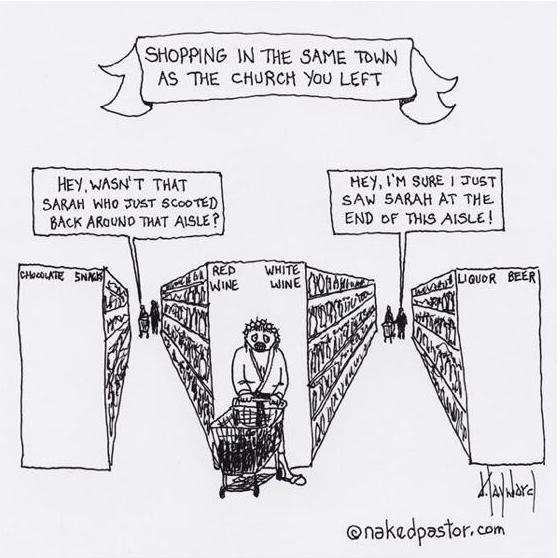
As the ice melts, the vaccines roll out, and my counselor gently challenges me, I feel the possibilities of the world opening up. 

The world opening up is not just about getting back to what we’ve always done.

Any season of separation or change is an opportunity to re-evaluate how we want to engage moving forward. It’s also a challenge to stretch out and strengthen muscles which have atrophied during lack of use. 

One new friend told me they feel like they’ve forgotten how to do date nights, or anything special. 

How do we re-engage in relationships intentionally – not just falling back into old patterns, but taking the time to evaluate what’s important to us, what our boundaries are, and what creates healthy relationships?

How do we dig out from under old habits, rules, and expectations we used to be buried under to Uncover Real relationships?

I don’t know.

But I’m looking forward to spending Season 2 of Uncovering Real exploring how we evaluate and pursue healthy relationships.

Join me here for Season 2 of Uncovering Real every Monday, Wednesday and Friday as I walk through different relationships (Mondays), reflect on what relationships have to do with faith (Wednesdays) and highlight artists that challenge and encourage me (Fridays).

Join the conversations on Facebook, Instagram and Twitter throughout the week and enter your email below to get blog posts directly in your e-mail inbox.

On Wednesdays We Reflect: Sacred Simplicity

I still make so many things so complicated. But I’m learning simplicity.

Tonight I prepared a few favorite foods and shared them with people I love. Recipes we’ve had before but changed up tonight based on the ingredients I had available. A simple plate of halva shared over conversation for dessert.

The simplicity of nourishing our bodies and our relationships at a shared table can be holy.

The simplicity of the dinner table can be a sacred space of connection.

The simplicity of a short after-dinner walk with the warmth of spring and the light of the evening stars can be hallowed ground.

This is part of what I want to walk towards. There are so many places that life is complicated and hard and draining. Simplicity lets me breathe in these moments, preparing my body, mind and soul to continue to face the spaces that are complicated, hard and draining.

Spicy Miso Pasta and pistachio halva don’t hurt, either.

Image contents: The last lonely chunk from our plate of pistachio halva.

Easter Reflections: Who Lives, Who Dies, Who Tells Your Story

When Jesus cleared the outer courts of the temple it was about far more than what and who he was clearing out.

It was also about who He was making room to let in.

Jesus was clearing space to welcome

the foreigner

the poor

the oppressed

the discriminated

the marginalized.

The religious leaders of the day set up a system designed to keep people out, and put people down, in order to maintain and reinforce their own power. They were using exorbitant fees, gross exchange rates, and extra rules to enforce exclusivity and increase shame.

On what we now call Easter, Jesus continued the process of making space for inclusion as he announced his resurrection. Women at the time were so marginalized and devalued their testimony was not even considered credible in a court case. Yet it was women he first entrusted to tell his story.

The entire Passover celebration, from the preparation to the final glass of wine, reinforces the theme of liberation and the pull of slavery. The religious leaders of the day had turned what was intended as a celebration of liberation into an act of oppression. Every act of Jesus during Holy Week was intended to set the oppressed free once again.

I believe Jesus is still drawing people out of oppression, out of the ways we marginalize, judge and oppress each other.

Jesus also still seeks to rescue us from the slavery of the things we think will set us free.

For the past forty days as I’ve decluttered my stuff, I’ve had to process through new ways of thinking of how I interact with things, and what I prioritize: What’s out, what’s in? What oppresses and what sets free?

The past year+ of Covid19 has made many of us process through what we prioritize, what’s in, what’s out, what oppresses, what sets free?

I believe the story of Easter, and the entire life of Jesus, calls us to work through a similar process. What are we holding onto because it is tradition? What are we holding onto because it makes us feel comfortable? What are we holding onto that keeps us in power while making the marginalized, poor, foreigner and oppressed unwelcome in our spaces?

What are we holding onto that covers over real?

What are we willing to let go of to make space for others?

What are we prioritizing?

Who are we prioritizing, who are we giving power to, and who are marginalizing?

Friday Reflections: Out and In

One of my favorite quotes, which has motivated me countless times in clearing space in my life, is from the forward of a book I read a number of years ago, during a communal Lenten Fast. It said, 

“taking in, taking in, taking in. It clogs the soul.”

I think about this quote a lot.

It’s easy to think the answer to clogging our lives, homes and souls is to just stop taking in. Or to get rid of the clogs and stop there. 

Which brings me from one of my favorite quotes…to what used to be my least favorite parable:

In these verses, as in so many other verses, Jesus was replying to Pharisees’ questions and accusations by offering them an illustration: 

 “When an impure spirit comes out of a person, it goes through arid places seeking rest and does not find it. Then it says, ‘I will return to the house I left.’ When it arrives, it finds the house unoccupied, swept clean and put in order. Then it goes and takes with it seven other spirits more wicked than itself, and they go in and live there. And the final condition of that person is worse than the first.”

I always hated this passage.

I figured at best, it was a reason not to bother cleaning. At worst, it was hopelessly depressing.

Either way, I missed the point. 

Until someone sat with me and explained it in terms of nature abhorring a vacuum. 

The person cleaning house stopped before a crucial point. They stopped at the emptying. 

We see this all over:

We stop a time-consuming job or habit and the saved time automatically gets sucked up by something else.

Condemned buildings and abandoned lots are cleared out, with no plans for ongoing utilization of the space and they become overrun with drugs and crime.

We stop a bad habit, only to find we’ve replaced it with a worse habit. 

It’s not enough to stop taking in.

It’s not enough to clean out.

It matters what we then fill the clearing with.

When Jesus overturned tables and cleared out the temple, he wasn’t simply getting rid of clutter. 

It wasn’t about the “out.”

It was about the “in.”

It was about what, and more importantly WHO he was making space for.